You might think your motion detector watches every inch of your space, but blind zones can leave critical areas completely unmonitored. These unseen gaps arise from sensor limitations, environmental factors, and placement errors, undermining your system’s effectiveness. Understanding how different sensors and their configurations contribute to these blind spots is essential if you want to enhance coverage and reliability. Let’s explore the technical factors that create these vulnerabilities and how to address them.
What Are Motion Detection Blind Zones and Why They Matter
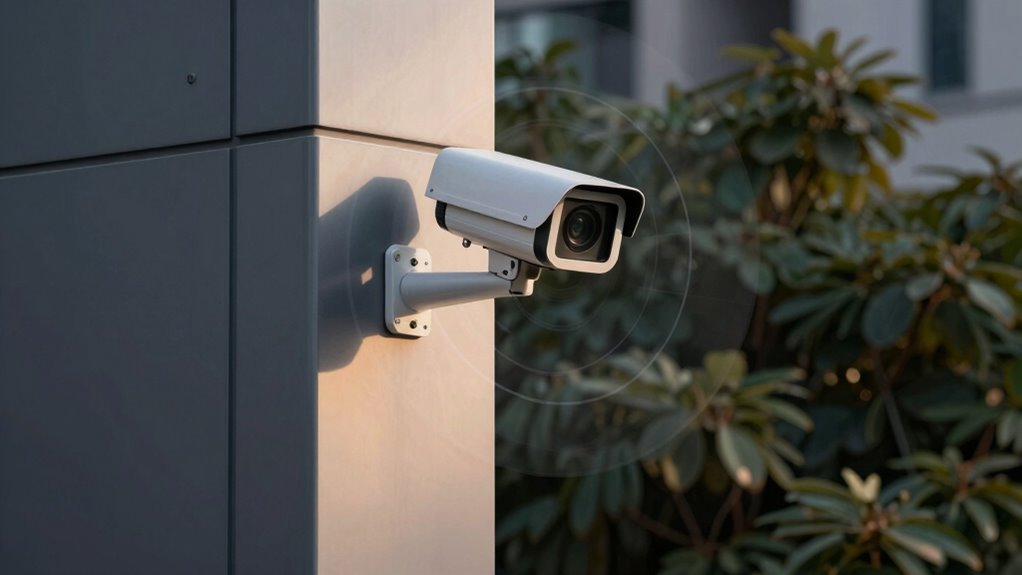
Although motion detection systems are designed to monitor activity within a designated area, they inevitably have blind zones—specific regions where movement goes undetected. Understanding blind zone identification is essential because these gaps directly impact motion sensor effectiveness.
You need to recognize that blind zones arise from sensor design limitations, environmental obstructions, and placement errors. If these zones aren’t accurately identified, you risk compromised security or automation failures.
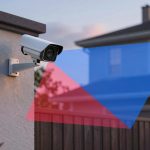
Analytical evaluation of sensor coverage patterns helps pinpoint these blind spots, enabling targeted adjustments. When you assess motion detection setups, focus on mapping the sensor’s field of view against the monitored space, noting angular and distance constraints.
This precise approach to blind zone identification allows you to optimize sensor positioning and calibration, minimizing undetected movement areas. Ultimately, improving motion sensor effectiveness depends on your ability to systematically identify and address blind zones, ensuring thorough surveillance and reliable system performance.
How Different Motion Detector Sensors Affect Blind Zones
Because different motion detector technologies operate on distinct principles, the characteristics and extent of their blind zones vary considerably.
Different motion detector technologies have unique blind zone characteristics due to their distinct operating principles.
You’ll find that sensor types such as passive infrared (PIR), microwave, ultrasonic, and dual-technology each exhibit unique detection patterns impacting blind zones.
PIR sensors rely on detecting changes in infrared radiation, so their blind zones often appear directly below or at sensor edges, where heat signatures are less discernible.
Microwave sensors emit radio waves and detect reflections, which allows broader coverage but can create blind zones near structural obstructions or within overlapping wave patterns.
Ultrasonic sensors use sound waves, and their blind spots typically emerge in areas with irregular surfaces causing wave diffusion or absorption.
Dual-technology sensors combine two detection technologies to minimize individual weaknesses, reducing blind zones through cross-verification.
Common Causes of Motion Detection Blind Zones
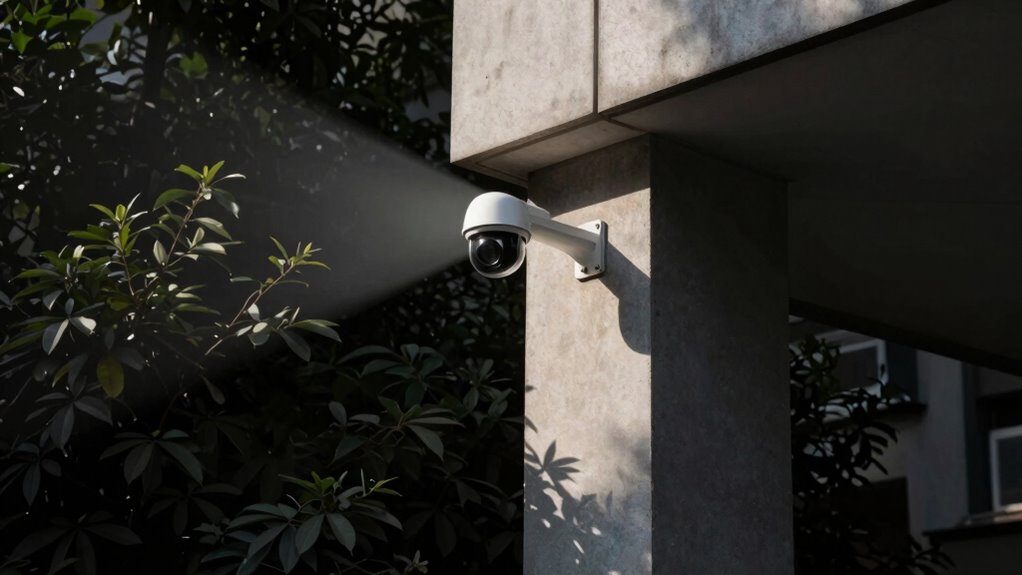
When you examine motion detection blind zones, several common causes become apparent that directly impact sensor performance. One primary factor is inherent sensor limitations. Each detection technology—whether passive infrared, microwave, or ultrasonic—has specific ranges and sensitivity thresholds that create gaps in coverage.
For instance, PIR sensors rely on heat signatures and can miss motion outside their angular or distance capabilities. Environmental interference, such as temperature fluctuations or electromagnetic noise, can also degrade sensor accuracy, producing blind zones.
Additionally, physical obstructions like walls, furniture, or landscaping elements interrupt signal transmission, further limiting detection. Reflective surfaces may cause signal distortion in microwave or ultrasonic sensors, compounding coverage gaps.
Understanding these causes is essential because they stem from the fundamental operational principles of detection technology and the physical environment, rather than sensor placement, which affects blind zones differently.
How Sensor Placement Influences Blind Zone Coverage
Since sensor placement directly affects motion detection coverage, understanding its impact on blind zones is essential for maximizing system performance.
You need to strategically position sensors to minimize areas where motion goes undetected. Key factors include:
- Sensor Height: Placing the sensor at an ideal height balances detection sensitivity and field of view. Too low or too high can create blind zones due to limited coverage angles or obstructions.
- Proximity to Obstructions: Avoid placing sensors near objects that block infrared or ultrasonic signals, as these create blind spots in coverage.
- Coverage Enhancement: Verify overlapping fields of detection by adjusting sensor placement, which reduces blind zones by providing thorough area monitoring.
How Detection Angle and Range Impact Blind Spots
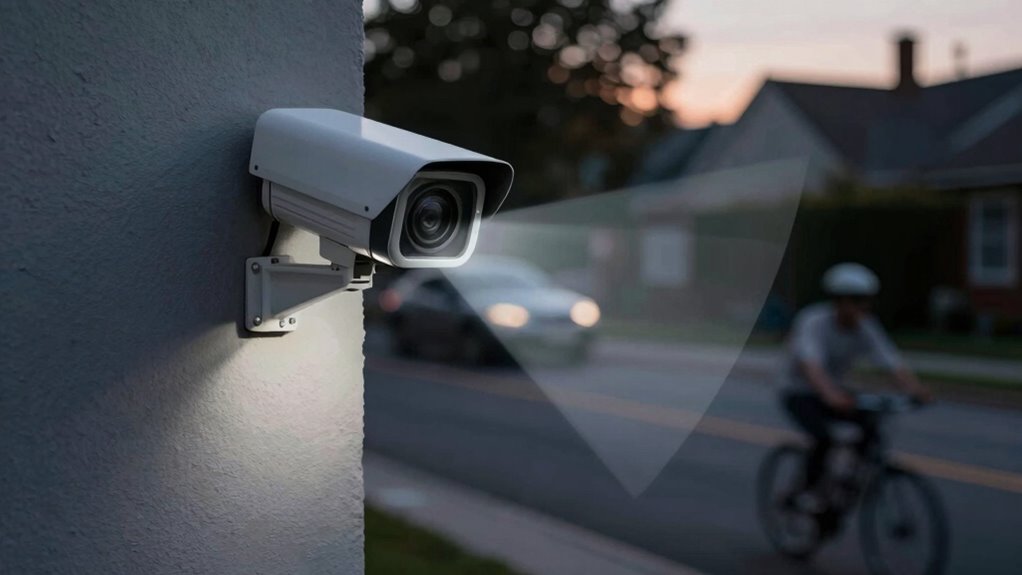
You need to understand how the detection angle directly shapes the sensor’s field of view, creating potential blind spots at the periphery.
Range limitations further constrain coverage, leaving gaps where motion may go unnoticed.
Strategically overlapping detection zones can minimize these blind spots, enhancing overall surveillance reliability.
Detection Angle Effects
Although adjusting the detection angle can enhance coverage, it also directly influences the size and location of blind spots in motion detection systems.
When you modify the detection angle, you’re fundamentally changing how the sensor’s field of view interacts with its environment, impacting both detection range and sensor orientation.
Consider these effects:
- Narrow angles increase detection range but create larger blind zones at the periphery due to limited lateral coverage.
- Wider angles reduce blind spots laterally but may decrease effective detection range and sensitivity directly ahead.
- Sensor orientation relative to target movement critically affects blind spot formation; improper alignment can generate unexpected gaps despite ideal angle settings.
Understanding these dynamics helps you balance coverage and minimize detection blind zones effectively.
Range Limitations
Adjusting detection angle shapes how far and wide a motion sensor can detect movement, but range limitations impose another layer of complexity on blind spot formation.
Even with an ideal angle, the sensor’s capabilities dictate the maximum distance it can reliably sense motion. When you position the sensor, you need to take into account that objects beyond its effective range won’t trigger detection, creating unavoidable blind spots.
Range limitations vary by sensor technology, power, and environmental factors, so you must assess each sensor’s specifications carefully. Failure to account for these constraints can leave critical areas uncovered.
Overlapping Coverage Benefits
When multiple sensors are strategically positioned to create overlapping detection zones, you can considerably reduce blind spots caused by limited range and narrow detection angles.
Using overlapping sensors enhances coverage optimization by ensuring that gaps in one sensor’s field are compensated by another. This layered approach improves reliability and detection accuracy.
Consider these key benefits of overlapping coverage:
- Extends overall detection range beyond individual sensor limits, minimizing unmonitored areas.
- Broadens effective detection angles by combining fields of view, reducing blind zones at sensor edges.
- Provides redundancy, so if one sensor fails or is obstructed, others maintain continuous monitoring.
Environmental Factors That Worsen Blind Zone Problems
Since motion detection systems rely heavily on sensor accuracy, certain environmental factors can greatly degrade their performance and exacerbate blind zone issues.
You need to take into account how weather conditions like heavy rain, fog, or snow scatter infrared or ultrasonic signals, reducing sensor range and creating temporary blind zones.
Similarly, physical obstructions such as walls, dense foliage, or parked vehicles block sensor fields of view, causing persistent blind spots that compromise coverage.
Temperature fluctuations can also affect sensor sensitivity, leading to inconsistent detection thresholds.
When these factors combine, your system’s ability to detect motion reliably diminishes, increasing vulnerability within these blind zones.
Understanding how environmental elements interfere with sensor operation helps you strategically position devices and choose technology better suited for challenging conditions.
How to Test Your Motion Detection System for Blind Zones
Although motion detection systems are designed to provide extensive coverage, blind zones can still exist due to sensor limitations and environmental factors.
To accurately assess your system’s performance, blind zone testing is essential. Here’s how you can execute it effectively:
- Systematic Walk-Test: Move deliberately through the monitored area while observing sensor responses. Note any locations where motion goes undetected, indicating potential blind zones.
- Sensor Angle Verification: Examine the sensor’s field of view using manufacturer specifications. Verify physical alignment and make sure there are no obstructions degrading sensor performance.
- Environmental Condition Simulation: Test under varied lighting, temperature, and weather conditions to identify if these factors exacerbate blind zones, impacting sensor reliability.
Practical Ways to Minimize Blind Zones in Your Setup
To minimize blind zones effectively, you’ll need to optimize sensor placement based on the coverage area and typical motion paths.
Adjusting the detection angles guarantees that sensors capture movements without overlap or gaps.
Additionally, incorporating supplemental lighting can enhance sensor accuracy by reducing shadows and improving visibility in low-light conditions.
Optimal Sensor Placement
When positioning motion sensors, you’ll want to take into account factors such as sensor range, mounting height, and field of view to effectively reduce blind zones.
Ideal sensor placement hinges on understanding sensor types and following precise installation tips. Consider these key points:
- Choose the Right Sensor Type: Infrared, ultrasonic, and microwave sensors each have distinct detection patterns. Match the sensor type to the environment for maximal coverage.
- Mounting Height and Angle: Install sensors at manufacturer-recommended heights to balance detection distance and minimize obstructions within the field of view.
- Strategic Coverage Overlap: Arrange multiple sensors to overlap detection zones slightly, ensuring no gaps remain and blind spots are minimized.
Adjusting Detection Angles
Since improper detection angles can create considerable blind zones, adjusting your sensor’s orientation is critical for thorough coverage.
Begin by analyzing the sensor’s field of view and identifying areas where motion is undetected. Employ adjustment techniques such as tilting or rotating the sensor to align its detection zones with high-traffic areas.
Small angular changes can greatly enhance detection optimization by minimizing overlap gaps or dead spots. Use incremental adjustments and test detection responsiveness after each change to guarantee coverage improvements.
Avoid angles that cause the sensor to face reflective surfaces or direct sunlight, as these reduce sensitivity.
Precise calibration of angles tailored to your environment leads to effective blind zone reduction, ensuring motion is detected promptly and reliably across your monitored space.
Using Supplemental Lighting
Supplemental lighting plays an essential role in enhancing motion detection accuracy by illuminating areas that sensors alone might miss.
To minimize blind zones effectively, consider these critical factors:
- Supplemental lighting types: Choose between LED floodlights, infrared illuminators, or low-glare bulbs, depending on your environment and sensor compatibility. Each type offers distinct advantages for different detection scenarios.
- Effective lighting placement: Position lights to cover shadowed or obscured zones while avoiding sensor overload or glare that could disrupt detection. Strategic angles ensure thorough coverage without blind spots.
- Integration with sensor settings: Synchronize lighting activation with motion sensors to optimize energy use and response time. This integration reduces blind zones by guaranteeing illumination only when necessary.
Best Sensor Upgrades to Reduce Motion Detection Blind Spots
Upgrading to advanced sensors like dual-technology or wide-angle PIR detectors can greatly reduce motion detection blind spots in your security system.
Dual-technology sensors combine passive infrared (PIR) with microwave detection, enhancing accuracy by requiring both technologies to trigger before alarming. This fusion minimizes false positives while expanding coverage.
Wide-angle PIR detectors increase the field of view, effectively covering larger areas and minimizing undetected zones.
When selecting sensor types, consider the environment and potential obstructions. Outdoor installations benefit from sensors with adjustable sensitivity and range to adapt to variable conditions.
Installation tips include mounting sensors at ideal heights—typically between 6 to 10 feet—and angling them to cover vulnerable areas without overlapping zones excessively.
Avoid placing sensors near heat sources or reflective surfaces, as these can create false triggers or blind spots.
Tips for Maintaining Reliable Motion Detection Over Time
Although installing high-quality sensors is essential, maintaining their performance over time requires regular attention to calibration and environmental factors.
To guarantee reliable motion detection, you need to prioritize sensor maintenance and implement a disciplined schedule for regular testing. Here are three critical tips to optimize performance:
Prioritize regular sensor maintenance and testing to ensure consistent and reliable motion detection performance.
- Schedule periodic recalibration: Sensor drift can occur due to temperature fluctuations or mechanical stress. Recalibrating sensors guarantees sensitivity and detection accuracy remain within specified parameters.
- Perform routine cleaning: Dust, dirt, and debris accumulate on sensor lenses, degrading signal clarity. Use appropriate solvents and soft cloths to maintain unobstructed sensor surfaces.
- Monitor environmental changes: Vegetation growth or structural modifications may introduce new blind zones. Regularly inspect sensor coverage to adjust angles or reposition devices as needed.
Frequently Asked Questions
Can Pets Trigger False Alarms in Motion Detection Systems?
Yes, pets can trigger false alarms if your alarm sensitivity is too high. Think of it like a smoke detector reacting to burnt toast; pet behavior often creates similar harmless disturbances, causing unnecessary alerts you’ll want to fine-tune.
Do Motion Detectors Work Differently Indoors Versus Outdoors?
Yes, motion detectors work differently indoors versus outdoors. You’ll find indoor sensitivity is higher to detect subtle movements, while outdoor range is extended to cover larger areas, accounting for environmental factors like wind and temperature changes.
How Do Motion Detection Systems Integrate With Smart Home Devices?
When your motion sensor detects movement, it can instantly trigger smart home integration, thanks to motion sensor compatibility protocols like Zigbee or Z-Wave, allowing seamless automation of lights, alarms, and cameras for enhanced security and convenience.
What Is the Average Lifespan of a Motion Detector Sensor?
You can expect motion sensor longevity to average around 5 to 10 years, depending on sensor technology advancements and usage conditions. Newer sensors with improved components typically last longer, offering enhanced durability and consistent performance over time.
Are There Legal Restrictions on Motion Detector Usage in Public Spaces?
You should know that over 60% of jurisdictions impose strict regulations on motion detector usage due to privacy concerns. These laws aim to balance effective public surveillance with protecting individual rights, ensuring data collection remains lawful and ethical.