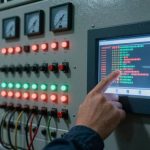
Early fault detection involves identifying system anomalies through continuous monitoring of parameters such as temperature, vibration, and electrical signals to prevent failure escalation. Components like sensors, diagnostic algorithms, and data acquisition systems work together to analyze deviations from normal operational thresholds, enabling timely maintenance interventions. Without early detection, minor irregularities can develop into significant outages or irreversible equipment damage, impacting overall system reliability. This article will examine the principles of fault signal analysis, integration of monitoring technologies, challenges in implementation, and strategies for optimizing maintenance schedules.
Understanding Early Fault Detection and Its Role in Your Systems

Early fault detection is a critical process that helps you identify potential system failures before they escalate. By integrating fault tolerance mechanisms, you guarantee your system can continue operating seamlessly despite minor faults.
Implementing robust anomaly detection techniques allows you to pinpoint irregular behavior patterns that deviate from normal system operations. These abnormalities often signal early-stage issues that, if left unaddressed, could lead to significant downtime or data loss.
Robust anomaly detection reveals early irregularities, preventing costly downtime and data loss.
Understanding the interplay between fault tolerance and anomaly detection empowers you to design systems that not only detect faults promptly but also adapt to them dynamically. This proactive stance minimizes disruptions, granting you the freedom to focus on innovation rather than constant troubleshooting.
Ultimately, early fault detection serves as a silent safeguard, preserving system integrity and operational continuity without demanding intrusive interventions. By mastering these analytical tools, you maintain control over your systems, guaranteeing resilience and reliability in complex, evolving environments.
Early Fault Detection: Identifying Problems Early
Detecting faults at their inception requires a methodical approach to monitoring system behaviors and interpreting subtle deviations. You need to focus on early fault detection by scrutinizing fault signals that often precede critical failures.
By leveraging diagnostic tools, you gain the ability to pinpoint anomalies before they escalate, granting you freedom from unexpected downtime and costly repairs.
Key practices to identify problems early include:
- Continuous data acquisition to capture real-time system performance metrics
- Establishing baseline behavioral patterns for accurate deviation recognition
- Implementing threshold-based alerts that trigger on subtle fault signals
- Employing statistical analysis and trend monitoring to forecast potential failures
The Technologies Behind Early Fault Detection

While identifying faults promptly hinges on keen observation, the technologies behind early fault detection provide the critical tools and frameworks you need to automate and enhance this process. Machine learning algorithms analyze data streams, enabling real time monitoring and anomaly detection with precision. Sensor networks and IoT applications collect vast datasets, feeding predictive analytics models that forecast faults before they manifest. Automated alerts then notify you instantly, allowing swift intervention. System redundancy complements these technologies, ensuring operational continuity during failures.
| Technology | Functionality |
|---|---|
| Machine Learning | Fault prediction, anomaly detection |
| Data Analytics | Processing sensor data, trend analysis |
| Sensor Networks | Continuous data collection |
| IoT Applications | Integration and remote monitoring |
| Automated Alerts | Immediate notification of issues |
Why Catching Faults Early Pays Off for Your Business
You’ll reduce downtime costs considerably by identifying faults before they escalate, keeping your operations running smoothly.
Early detection enhances operational efficiency by enabling targeted maintenance and resource allocation. It also prevents major failures that could disrupt production and inflate repair expenses.
Minimizing Downtime Costs
Because unplanned downtime can cripple operations and inflate expenses, catching faults early is critical for minimizing costs.
Conducting thorough cost analysis and risk assessment lets you identify potential failure points before they escalate, preserving your system’s integrity.
When you detect issues promptly, you reduce the financial impact by:
- Preventing extended outages that disrupt revenue streams
- Lowering emergency repair expenses and overtime labor costs
- Avoiding penalties from missed deadlines or service level agreements
- Conserving resources by scheduling maintenance proactively
Enhancing Operational Efficiency
Although early fault detection requires upfront investment in monitoring and diagnostic tools, it greatly boosts your operational efficiency by reducing unplanned disruptions and optimizing resource allocation.
By identifying anomalies early, you can implement targeted interventions that refine process optimization, minimizing waste and enhancing throughput. This proactive approach guarantees maintenance efforts are precisely allocated, preventing unnecessary downtime and preserving workforce productivity.
The data collected enables continuous improvement cycles, allowing you to adjust operational parameters dynamically for maximum efficiency. Ultimately, early fault detection empowers you to maintain system stability while liberating resources for strategic initiatives.
This technical rigor not only safeguards your infrastructure but also supports your desire for operational freedom, giving you control over processes and costs without compromising performance or flexibility.
Preventing Major Failures
When faults are caught early, you considerably reduce the risk of major system failures that can cause costly downtime and extensive repairs.
Implementing robust fault analysis techniques enables you to identify anomalies before they escalate, while failure prediction models provide actionable insights to preempt breakdowns.
Here’s why early detection is essential:
- Minimizes unplanned outages by addressing faults in their nascent stages
- Reduces maintenance costs through targeted interventions
- Enhances system reliability, ensuring continuous operation
- Empowers you with data-driven decisions to optimize resources
Implementing Early Fault Detection in Your Infrastructure
You’ll need to start by selecting and integrating sensors that accurately capture critical parameters within your infrastructure.
Then, you can apply predictive maintenance strategies that analyze sensor data to forecast potential faults before they escalate.
Combining these techniques guarantees continuous monitoring and timely intervention to minimize downtime.
Sensor Integration Techniques
Since timely fault detection relies heavily on accurate and continuous data acquisition, integrating sensors effectively into your infrastructure is critical.
You’ll want to leverage sensor fusion techniques that combine multiple data sources to enhance fault detection accuracy. Employing advanced data analytics on fused sensor inputs enables real-time anomaly identification, providing you the freedom to act before faults escalate.
Key sensor integration techniques include:
- Strategic placement ensuring thorough monitoring coverage
- Synchronization protocols for coherent multi-sensor data streams
- Robust communication interfaces minimizing data loss and latency
- Calibration routines maintaining sensor accuracy over time
Predictive Maintenance Strategies
Although early fault detection provides critical data, predictive maintenance strategies are essential to translate that data into actionable insights that prevent equipment failure.
You’ll leverage predictive analytics to analyze sensor outputs and historical patterns, identifying potential faults before they escalate. This approach enables dynamic adjustment of maintenance schedules, shifting from fixed intervals to condition-based planning.
By doing so, you optimize resource allocation and minimize downtime, granting your systems greater operational freedom. Integrating real-time monitoring with predictive models guarantees faults are detected early, allowing you to intervene proactively rather than reactively.
Ultimately, adopting predictive maintenance strategies empowers you to maintain infrastructure resilience, reduce unexpected failures, and extend asset lifespan—all while maintaining control over your maintenance processes with precision and efficiency.
Common Challenges and Solutions in Early Fault Detection

While early fault detection can greatly reduce downtime and maintenance costs, it presents several technical challenges that you need to address to guarantee reliable performance.
Fault detection challenges often stem from data quality issues, complex system behaviors, and the need for real-time analysis. To overcome these, you must implement detection solution strategies that enhance accuracy and responsiveness without compromising system freedom.
Key challenges and their solutions include:
- Data Noise and Incompleteness: Employ advanced filtering and data imputation techniques to assure signal clarity.
- Dynamic Operating Conditions: Use adaptive algorithms that adjust thresholds based on real-time system states.
- False Positives and Negatives: Integrate multi-sensor fusion and machine learning models to improve fault classification.
- Computational Constraints: Optimize algorithms for efficient processing to enable timely fault alerts.
Frequently Asked Questions
How Does Early Fault Detection Impact Insurance Premiums?
When it comes to insurance premiums, early fault detection is your ace in the hole. It enhances risk assessment accuracy, allowing insurers to offer premium reduction because you’re demonstrating lower risk, ultimately giving you more freedom with your costs.
Can Early Fault Detection Predict Natural Disasters Affecting Systems?
You can’t rely solely on early fault detection for disaster forecasting, but it enhances system resilience by identifying vulnerabilities early, allowing you to implement safeguards that mitigate natural disaster impacts and maintain operational freedom and continuity.
What Industries Benefit Most From Early Fault Detection?
You’ll find manufacturing efficiency greatly enhanced by early fault detection, reducing downtime and defects. Healthcare reliability also benefits, as it guarantees critical equipment functions flawlessly, safeguarding patient outcomes and offering you operational freedom and confidence.
Are There Legal Regulations Mandating Early Fault Detection?
Yes, you’ll find legal compliance often requires early fault detection to meet regulatory standards, especially in industries like healthcare and manufacturing, ensuring safety and operational integrity while preserving your freedom to innovate within defined safety margins.
How Does Early Fault Detection Affect Employee Training Requirements?
Early fault detection requires you to enhance employee skills through targeted training programs, ensuring they can identify issues promptly. This focus on skill enhancement promotes operational freedom by reducing downtime and empowering proactive system management.