Movies show sprinklers blasting the moment anyone lights a match. Reality is quieter and smarter: a fire sprinkler head is a heat detector with a built-in firefighter. It does nothing about smoke, nothing about flames it cannot feel — it waits, patiently, until the air around it gets hot enough, and then only that one head opens. Understanding this mechanism clears up most of what people get wrong about sprinklers.
This article explains how sprinkler systems detect heat, the two release mechanisms inside the sprinkler head, why only the heads near the fire activate, and how the system tells the difference between a real fire and a hot summer day.
The Sprinkler Head Is a Heat Detector First
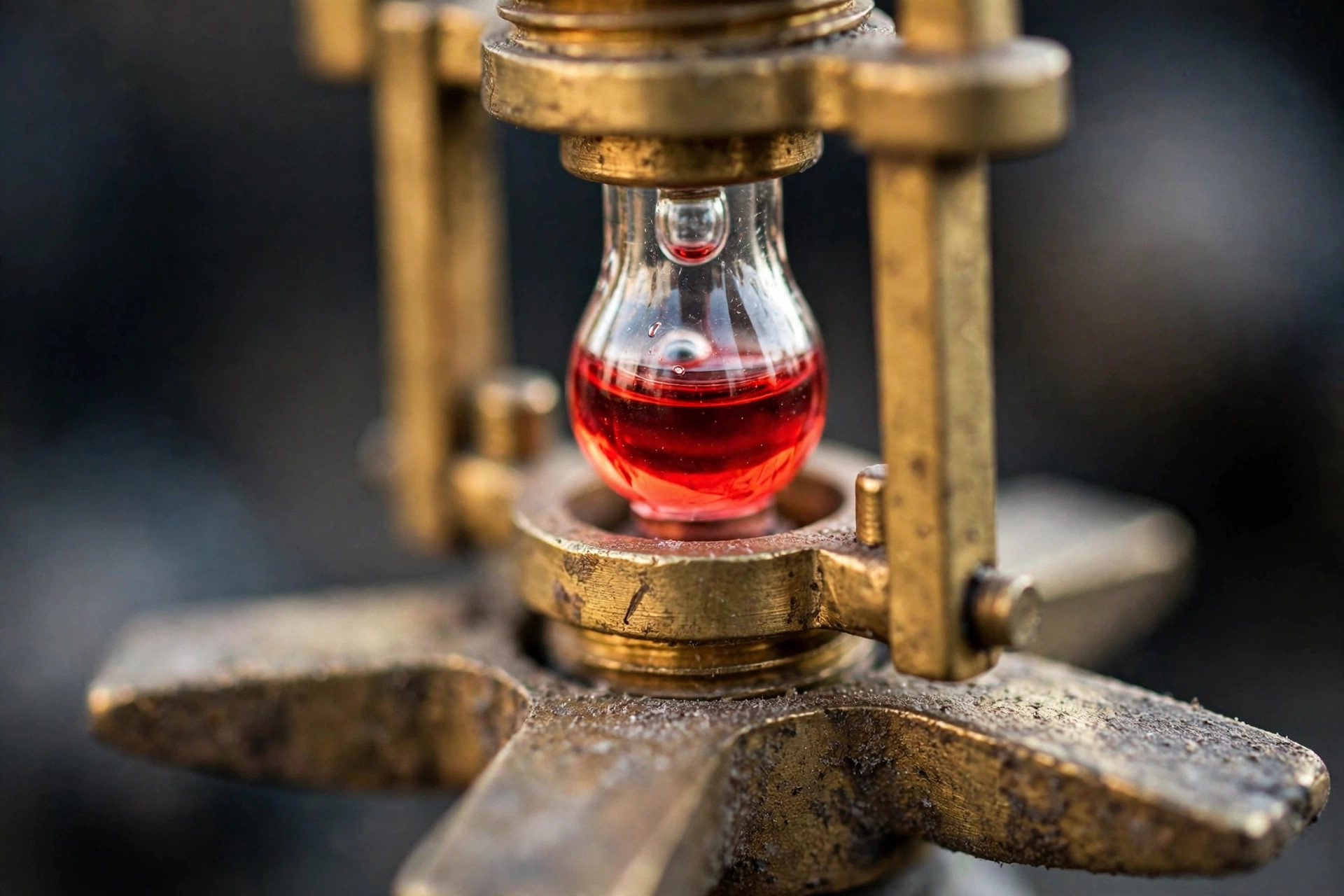
Every automatic sprinkler head contains a thermal element — a small component engineered to fail at a precise temperature. There are two common designs. The older uses a fusible link: two metal plates soldered together with an alloy that melts at a rated temperature, typically 155°F (68°C) for ordinary occupancies. The more common modern design uses a glass bulb filled with a glycerin-based liquid; heat expands the liquid until the pressure shatters the glass.
When the thermal element fails, it releases a cap that was holding back the pressurized water. Water sprays out over a deflector plate that shapes it into a uniform pattern. There is no central computer, no smoke sensor, no human decision — just physics: enough heat, at that head, for long enough.
This is why sprinklers are classified as heat detection, and why they behave so differently from smoke detection. A smoldering fire that produces clouds of smoke but little heat will set off every smoke alarm in the building while every sprinkler head sits idle. Sprinklers respond to the flaming stage, when heat output surges — which is exactly when water is most effective.
Why Only the Heads Near the Fire Go Off
The most persistent sprinkler myth is that one trigger floods the whole building. In a standard wet-pipe system, each head is independent: its thermal element only fails when the air immediately around it reaches its rating. A fire in the kitchen opens the kitchen heads — usually just one or two — while every other head in the building stays sealed.
Statistics bear this out dramatically. In the great majority of fires controlled by sprinklers, five or fewer heads activate; a single head suffices most of the time. The system is not a deluge — it is a sniper. This selectivity is also why sprinkler water damage is typically far less than the fire damage it prevents: a controlled spray from one head for a few minutes versus an uncontrolled burn.
Deluge systems do exist — in aircraft hangars and chemical plants, where open nozzles all discharge at once — but they are triggered by a separate detection system (smoke, heat, or flame detectors) and a deluge valve, not by individual head activation. If you see one in a movie soaking an office, that is Hollywood, not hydraulics.
The ceiling jet: how heat reaches the head
Heat reaches a sprinkler via the ceiling jet — the radial flow of hot gases that spreads across the ceiling from the fire plume. Heads are spaced (typically up to 15 feet apart in light-hazard occupancies) so the ceiling jet from a growing fire reliably bathes at least one head. High ceilings weaken this mechanism: the plume entrains cool air as it rises, arriving diluted. That is why warehouses with 30-foot ceilings need special high-challenge heads or supplementary detection — the physics of the ceiling jet sets a hard limit on detection delay.
Temperature Ratings and Response Speed
Sprinkler heads come in temperature ratings matched to their environment: ordinary (135–170°F), intermediate, high, and extra-high for spaces like commercial kitchens and boiler rooms where ambient heat would melt an ordinary link. Choosing the rating is a balancing act — too low and normal conditions trip it, too high and the fire grows too large before activation.
Response speed is governed by the Response Time Index (RTI), a measure of the thermal element’s sensitivity. Quick-response heads use thin, low-mass elements — small glass bulbs or slim links — that heat up fast and shatter early in a fire’s growth. Standard-response heads are beefier and slower. Modern life-safety codes overwhelmingly favor quick-response heads because decades of data show earlier water application means smaller fires, less damage, and dramatically better survival odds.
Glass-bulb heads carry a handy visual code: the liquid inside is dyed by temperature rating — orange for the common 135°F and 155°F ratings, red, yellow, green, blue, and mauve for progressively higher ones. An inspector can read the rating at a glance, which matters because the wrong bulb in the wrong room is a real failure mode: a high-temperature head installed near a heat source that should have an ordinary one will wait too long, and an ordinary head in a hot space will eventually false-trip.
Wet, dry, and pre-action: what fills the pipes
In a wet-pipe system, the pipes hold pressurized water permanently — activation is instant. Dry-pipe systems, used where pipes could freeze, hold pressurized air or nitrogen; heat opens the head, air escapes, and a dry valve then admits water, adding up to a minute of delay. Pre-action systems add a detection layer: the pipes stay dry until a separate smoke or heat detector trips a valve, and then individual heads still open only on heat. Each variant trades speed for freeze protection or false-discharge safety.
What Sprinklers Cannot Detect
A sprinkler system is blind to everything except heat at its heads. Smoldering fires, slow overheating of electrical equipment, and gas leaks all proceed without triggering a single head. This is not a flaw — it is the design boundary, and it is why buildings layer sprinkler protection with smoke detection for early warning and sprinklers for suppression.
Sprinklers can also be defeated by geometry. Storage piled high can shield a fire from the heads above it; the heat never reaches the ceiling jet in sufficient concentration. Obstructed heads — blocked by new ductwork, shelving, or decorations — are a leading cause of sprinkler failures in real fires. And in a fast-developing fire with abundant fuel, even quick-response heads may open too late to do more than contain rather than extinguish.
None of this diminishes their record. Sprinklers control or extinguish the fire in the overwhelming majority of incidents where they operate, and the death rate in sprinklered buildings is a fraction of that in unsprinklered ones. They are simply heat-triggered tools with a defined operating envelope — superb within it, silent outside it.

Living and Working Around Sprinklers
A few practical points follow directly from the mechanism. Never hang anything from a sprinkler head or its piping — the thermal element is fragile by design, and a bent deflector or cracked bulb either disables the head or invites an accidental discharge. Never paint sprinkler heads: paint insulates the thermal element, delaying its response, and paint in the mechanism can glue it shut.
Schedule a visual inspection annually: look for painted heads, corroded heads, loaded heads (coated in dust or grease, which insulates the thermal element), and heads with bent deflectors. In commercial buildings this inspection is typically a code requirement; in homes with residential sprinklers it is simply good sense. A loaded head in a dusty workshop can be cleaned gently — a head that is painted or corroded must be replaced, never cleaned.
Keep storage at least 18 inches below the deflector plane so heat and water distribute properly. If you renovate — new ceilings, new partitions, new racking — have the sprinkler layout reviewed; moving a wall can orphan a head on the wrong side of a barrier. And if a head ever discharges accidentally (rare, usually from mechanical impact), know where the system’s shutoff valve is, but call the fire department first: a “false” discharge sometimes means a real fire you cannot see.
Frequently Asked Questions
Do fire sprinklers detect smoke?
No. Sprinkler heads are heat detectors — a fusible link or glass bulb that fails at a rated temperature. Smoke alone never triggers a sprinkler; only sufficient heat at the individual head opens it.
Do all sprinklers in a building go off at once?
No. Each head activates independently when the air around it reaches its temperature rating. In most controlled fires, five or fewer heads operate — usually just one or two near the fire.
At what temperature do sprinkler heads activate?
Ordinary-occupancy heads are typically rated around 155°F (68°C). Higher ratings exist for hot environments like commercial kitchens and boiler rooms, where normal ambient heat would trip an ordinary head.
Can sprinklers go off accidentally?
Accidental discharge is rare and almost always caused by mechanical damage — something striking the head — rather than spontaneous failure. Manufacturing defect rates are extremely low; the far greater risk is a head disabled by paint, corrosion, or obstruction.
Why didn’t the sprinklers stop a smoldering fire?
Because smoldering produces smoke with little heat, and sprinklers only respond to heat. Smoldering-stage protection comes from smoke detection; sprinklers engage at the flaming stage when heat output surges. Buildings need both layers.