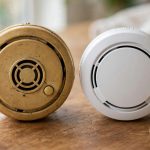
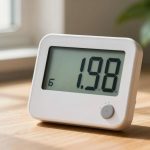
Environmental sensors measure parameters such as temperature, humidity, air quality, and chemical concentrations using sensitive components like semiconductors, electrochemical cells, and optical detectors. These components undergo degradation over time, causing shifts in sensor response characteristics and resulting in false or inaccurate readings. Additional factors including contamination by external substances, signal interference, and hardware malfunctions further complicate data reliability. This article examines the aging mechanisms, environmental interferences, and technical issues that affect sensor accuracy, providing insight into their causes and implications for maintaining data integrity.
How Environmental Sensors Work and What They Measure

Environmental sensors typically rely on a combination of physical, chemical, and biological principles to detect specific parameters in the environment. You’ll find various sensor types tailored to measure temperature, humidity, gas concentrations, particulate matter, and biological agents.
Each sensor type employs distinct measurement principles—such as optical detection for particulates, electrochemical reactions for gases, or piezoelectric effects for pressure changes. Understanding these principles helps you grasp how sensors convert environmental stimuli into electrical signals you can interpret.
Different sensors use unique principles like optics, electrochemistry, or piezoelectricity to translate environmental data into signals.
By selecting appropriate sensor types and recognizing their operational mechanisms, you gain precise control over the data collected. This awareness is essential if you value freedom in monitoring your environment accurately and independently.
Sensors’ effectiveness depends heavily on the alignment between measurement principles and the target parameter, ensuring reliable readings. Hence, knowing how environmental sensors work and what they measure enables you to optimize their use and anticipate potential limitations inherent to each sensor type.
Why Sensor Aging Causes False Readings
Although sensors are designed for accuracy, their performance inevitably degrades over time due to aging effects. As you rely on environmental sensors, it’s important to understand that the sensor lifespan is finite, and degradation effects accumulate gradually.
Components like sensing elements, circuitry, and protective coatings deteriorate, leading to drift, reduced sensitivity, or slower response times. This decline alters the sensor’s baseline, causing false readings that don’t accurately reflect the environment.
You should recognize that these aging processes are intrinsic and unavoidable, influenced by factors such as exposure to harsh conditions and operational cycles. Regular calibration and timely replacement are essential to maintain freedom from misleading data.
By monitoring sensor performance trends, you can anticipate when degradation effects will impact accuracy, enabling you to make informed decisions rather than blindly trusting outdated measurements.
Understanding sensor aging empowers you to uphold data integrity and maintain control over your environmental assessments.
How Interference From Other Substances Leads to False Sensor Readings

You need to recognize that cross-sensitivity effects can cause your sensors to respond to substances other than the target analyte, leading to false readings.
Chemical interference from nearby compounds or pollutants often disrupts the sensor’s accuracy.
Additionally, environmental contaminants can alter sensor responses, making it essential to identify and mitigate these influences for reliable measurements.
Cross-Sensitivity Effects
When other substances are present in the environment, they can interfere with sensor readings by triggering responses similar to the target analyte. This phenomenon, known as cross-sensitivity, occurs when a sensor’s detection mechanism reacts not only to the intended substance but also to chemically or physically related compounds.
Cross sensitivity examples include gas sensors that respond to multiple volatile organic compounds, leading to ambiguous sensor response data. Such interference challenges your ability to discern accurate measurements, as the sensor signal may reflect a mixture of analytes rather than a single target.
Understanding these effects is essential for interpreting sensor output reliably and for designing systems that minimize cross-sensitivity. By recognizing how diverse substances influence sensors, you can better guarantee measurement freedom and data integrity in complex environments.
Chemical Interference Sources
Since environmental sensors rely on specific chemical interactions to detect target substances, the presence of other compounds can disrupt their accuracy by producing false readings.
When unintended chemicals interact with sensor materials, they may trigger similar chemical reactions as the intended analyte, leading the sensor to register incorrect values.
You need to understand that sensor materials are often designed for selectivity, but cross-reactivity with structurally or chemically similar substances can cause interference.
This interference alters the sensor’s response, compromising data reliability.
To minimize false readings, you should consider the chemical environment surrounding the sensor and assess potential interfering substances.
Understanding these chemical interference sources empowers you to interpret sensor data critically and make informed decisions, maintaining your freedom to rely on accurate environmental measurements.
Environmental Contaminant Impact
Although environmental sensors are designed to detect specific substances, the presence of contaminants can markedly distort their readings. Contaminant sources such as dust, humidity, and volatile organic compounds often interfere with sensor accuracy, revealing measurement limitations inherent in sensor design. Understanding these impacts helps you interpret data more reliably, ensuring informed decisions.
| Contaminant Source | Effect on Sensor Reading |
|---|---|
| Dust | Obstructs sensor surface, causing underreporting |
| Humidity | Alters sensor response, leading to false positives |
| Volatile Organic Compounds | Cross-reactivity causes inflated measurements |
| Temperature Variations | Skews sensor calibration |
| Chemical Residues | Causes signal noise, reducing clarity |
Recognizing these factors frees you from overreliance on raw sensor data without contextual evaluation.
Why Calibration Matters for Sensor Accuracy

Because even minor deviations in sensor readings can lead to significant errors in environmental data collection, you need to understand how calibration guarantees measurement accuracy.
Over time, sensor drift—gradual changes in sensor output independent of the actual environmental conditions—can distort data. Regular calibration aligns the sensor’s measurements with known standards, correcting these deviations.
Calibration frequency is critical; if you calibrate too infrequently, sensor drift accumulates, reducing reliability. Calibrating too often, however, may consume unnecessary resources without meaningful accuracy gains.
You must balance calibration intervals based on the sensor’s characteristics and the environmental conditions it monitors. By maintaining proper calibration schedules, you ascertain that the sensor’s output remains precise and trustworthy.
This practice preserves your freedom to rely on accurate data for decision-making, avoiding false readings that could mislead environmental assessments or actions.
What Technical Problems Cause False Sensor Readings?
When you encounter false sensor readings, it’s often due to technical issues such as signal interference, component degradation, or improper installation.
Sensor drift is a primary technical problem where sensor outputs gradually deviate from true values over time, reducing accuracy. This drift can occur due to aging components or exposure to environmental stressors, causing your sensor’s baseline to shift unknowingly.
Signal noise also contributes by introducing random fluctuations in the sensor’s output, obscuring real measurements and producing unreliable data. Electrical interference from nearby devices or poor shielding can amplify this noise, further compromising readings.
Improper installation, like incorrect mounting or loose connections, can disrupt sensor performance and introduce errors.
To maintain sensor freedom and reliability, it’s vital to monitor for drift, minimize signal noise through shielding and filtering, and guarantee proper installation. Addressing these technical factors helps preserve data integrity and keeps your environmental sensors functioning accurately.
How Environmental Factors Cause False Sensor Readings
Environmental conditions can considerably impact sensor accuracy, leading to false readings that compromise data quality. When you rely on environmental sensors, you must consider how environmental variability—such as temperature fluctuations, humidity changes, and electromagnetic interference—affects sensor reliability. These factors can alter sensor behavior, causing drift, noise, or signal attenuation.
For example, extreme temperatures can change sensor sensitivity or cause physical expansion, distorting measurements. High humidity may lead to condensation on sensor surfaces, affecting electrical conductivity and resulting in erroneous outputs. Electromagnetic interference from nearby equipment can introduce noise, masking true signals.
Understanding these influences is crucial for interpreting sensor data accurately. You can’t assume sensor readings are infallible, especially when environmental variability is significant.
To maintain sensor reliability, you need to implement appropriate calibration, shielding, and environmental controls. Doing so helps guarantee that your data truly reflects the environment, preserving the freedom to make informed decisions based on accurate sensor information.
How Data Processing Can Introduce Sensor Inaccuracies
Even with well-maintained sensors that account for environmental influences, inaccuracies can still emerge during data processing. When you rely on environmental sensors, the raw data they deliver often undergoes transformation through data algorithms designed to filter noise and interpret signals.
However, these algorithms can inadvertently distort readings if they aren’t calibrated precisely or fail to adapt to changing conditions, introducing systematic errors. Processing latency further compounds this issue by delaying data interpretation, which can cause time-sensitive readings to become outdated or misaligned with real-world events. If you don’t account for these delays, your decisions based on sensor data might be flawed.
Additionally, algorithmic assumptions embedded in processing software may oversimplify complex environmental interactions, leading to inaccuracies. Understanding that data processing is a critical phase where errors can creep in empowers you to critically evaluate sensor outputs rather than accepting them at face value, ensuring your freedom to make informed choices based on reliable information.
Best Practices to Reduce False Sensor Readings
Although sensor inaccuracies can never be entirely eliminated, implementing best practices greatly reduces false readings and improves data reliability.
To begin, adhering to strict installation guidelines is essential. Position sensors away from interference sources like direct sunlight, heat vents, or electromagnetic fields to guarantee accurate environmental measurements. Proper mounting and calibration according to manufacturer specifications also minimize errors.
Regular sensor maintenance is equally important. You should schedule routine cleaning and inspection to prevent dust, moisture, or corrosion from affecting sensor performance.
Recalibrating sensors periodically maintains measurement accuracy over time, compensating for sensor drift. Additionally, using quality components and securing wiring connections reduces electrical noise and signal loss.
How to Identify and Troubleshoot False Sensor Alarms
You’ll first need to recognize common causes of false alarms, such as sensor contamination or environmental interference.
Once identified, follow systematic troubleshooting steps like recalibrating sensors and inspecting wiring connections.
This approach helps isolate issues and restore accurate sensor performance efficiently.
Common False Alarm Causes
When environmental sensors trigger false alarms, it’s often due to specific, identifiable factors such as sensor contamination, electrical interference, or improper calibration.
Different sensor types—like gas detectors, humidity sensors, or particulate monitors—are susceptible to unique issues affecting accuracy. For example, dust buildup can skew readings on particulate sensors, while electromagnetic interference disrupts electronic signals.
Reading variations beyond expected ranges often indicate these underlying problems rather than actual environmental changes. Understanding the distinct behavior of each sensor type helps you isolate false alarms effectively.
Effective Troubleshooting Steps
Recognizing the common causes behind false sensor alarms sets the stage for a systematic troubleshooting approach.
Begin by inspecting the sensor’s physical condition—dirt, debris, or damage can lead to inaccurate readings. Implement routine sensor maintenance to guarantee peak functionality and reduce false alarms.
Next, verify calibration accuracy; miscalibrated sensors often produce erroneous data. Utilize diagnostic tools and established troubleshooting techniques to isolate the issue, such as cross-checking with secondary sensors or environmental controls.
Software glitches or communication errors can also cause false alarms, so reviewing firmware updates and data transmission integrity is essential.
Air quality monitors worth buying
This article explains how pollutants get measured — these monitors let you run the same measurements in your own home.
- Laser sensor measures PM2.5 particle levels
- Handheld for indoor and outdoor spot checks
- Clear display with AQI-style color indication
- Real-time CO2 readout with temp and humidity
- Alerts when air quality drops
- Mains or battery operation for any room
Disclosure: as an Amazon Associate, awasc.com earns from qualifying purchases.
Frequently Asked Questions
Can Environmental Sensors Detect Multiple Pollutants Simultaneously?
Yes, you can detect multiple pollutants simultaneously, but sensor limitations and pollutant interaction often affect accuracy. Understanding these constraints helps you interpret data freely, ensuring informed decisions despite potential cross-sensitivities or interference among pollutants.
How Long Do Typical Environmental Sensors Last Before Needing Replacement?
Like a candle burning steadily, sensor lifespan typically ranges from 1 to 5 years. You’ll want to monitor replacement intervals closely, as factors like environment and usage can shorten their effective operation time, ensuring reliable data freedom.
Are Wireless Environmental Sensors Less Accurate Than Wired Ones?
Wireless environmental sensors can have slightly reduced accuracy compared to wired ones due to signal interference, but advances in technology have improved their reliability. You can enjoy freedom without sacrificing sensor reliability if you choose quality wireless devices.
Do Environmental Sensors Require Special Training to Operate?
You don’t need a pilot’s license to fly environmental sensors, but sensor calibration demands some user expertise. With basic training, you’ll confidently navigate readings, ensuring freedom to explore data without getting lost in technical turbulence.
How Do Environmental Sensors Communicate Data to Monitoring Systems?
Environmental sensors communicate data to monitoring systems through wireless or wired data transmission protocols. You’ll need proper sensor calibration to guarantee accuracy, enabling reliable data flow that supports autonomous decision-making and freedom in environmental management.