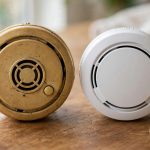
Environmental sensors experience gradual accuracy degradation due to the cumulative effects of component aging, environmental stressors such as temperature fluctuations, humidity, and chemical contaminants, and internal calibration drift. Key components like sensing elements, signal conditioning circuitry, and protective coatings interact with these factors, leading to changes in sensor output characteristics over time through mechanisms such as material fatigue and surface contamination. This article addresses the underlying causes of sensor drift, examining both intrinsic sensor degradation and external environmental influences, and explores maintenance strategies, recalibration procedures, and design considerations that mitigate accuracy loss.
How Does Sensor Aging Cause Sensor Accuracy to Decline?
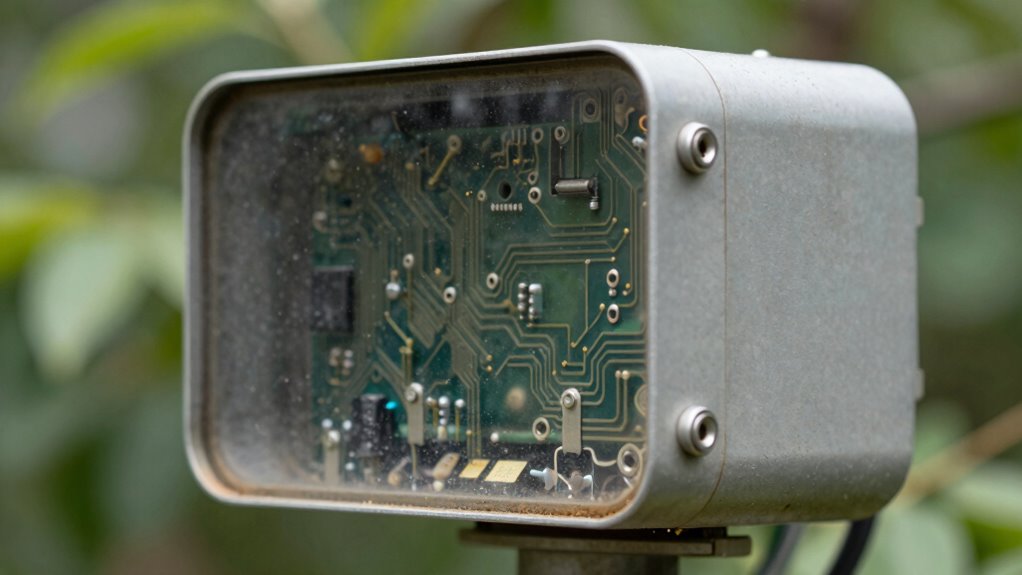
Although environmental sensors are designed for long-term use, their accuracy inevitably declines over time due to sensor aging. You must understand that sensor lifespan is inherently limited by the gradual degradation of its components.
Aging effects manifest as drift in sensor readings, reduced sensitivity, and increased noise, all of which compromise measurement reliability. This decline results from physical and chemical changes within sensor materials, such as corrosion, wear, and material fatigue. As these changes accumulate, calibration constants shift, leading to systematic errors.
Sensor aging causes drift, reduced sensitivity, and noise, leading to systematic errors and compromised reliability.
You can’t ignore that aging also affects the sensor’s internal electronics, causing diminished signal processing capabilities. To maintain freedom in your data’s integrity, it’s essential to monitor sensor performance over time and recalibrate or replace sensors before aging effects severely impact accuracy.
Recognizing these aging-related limitations helps you make informed decisions to uphold precise environmental monitoring without sacrificing autonomy or data quality.
Which Environmental Stressors Affect Sensor Accuracy?
What factors in the environment most substantially impact sensor accuracy? Key stressors include temperature fluctuations and humidity levels, which cause material expansion or contraction, altering sensor responsiveness.
Air quality also plays a critical role; particulate matter and pollutants can deposit on sensor surfaces, degrading performance.
Chemical exposure, especially to corrosive agents, leads to irreversible sensor damage.
Mechanical stress from vibrations or shocks may misalign sensor components, reducing precision.
Electrical interference disrupts signal integrity, introducing noise or bias.
Radiation effects, common in certain environments, can alter sensor materials at the atomic level, causing drift.
Finally, environmental extremes—such as sudden temperature spikes or prolonged exposure to harsh conditions—accelerate wear and sensor degradation.
Understanding these stressors helps you anticipate the challenges sensors face, enabling better maintenance and design choices that preserve measurement freedom and reliability over time.
Why Does Calibration Drift Occur in Environmental Sensors?
Environmental stressors like temperature changes, humidity, and chemical exposure don’t just impact sensor readings momentarily—they contribute to calibration drift over time. This drift occurs because various drift factors subtly alter sensor components, causing deviations from initial calibration methods. Understanding these factors helps you anticipate and manage accuracy loss.
| Drift Factor | Impact on Sensor | Relation to Calibration Methods |
|---|---|---|
| Temperature Variance | Alters sensor output signal | Requires temperature compensation |
| Humidity Fluctuation | Causes material degradation | Demands periodic recalibration |
| Chemical Exposure | Leads to sensor poisoning | Necessitates protective calibration |
How to Maintain Sensors to Preserve Accuracy Over Time
Since calibration drift is influenced by factors like temperature, humidity, and chemical exposure, maintaining sensor accuracy necessitates a systematic approach to monitoring and adjustment.
You need to implement regular sensor maintenance protocols, including scheduled recalibrations aligned with manufacturer guidelines and environmental conditions. Routinely check and clean sensor surfaces to prevent contamination that can skew readings. Use diagnostic tools to detect early signs of drift or damage, enabling timely intervention.
Accuracy preservation also depends on proper storage when sensors are inactive; controlling environmental variables limits degradation. Documenting maintenance activities provides traceability and helps refine procedures over time.
By adopting these disciplined practices, you guarantee sensor performance remains reliable, giving you the freedom to trust data without frequent replacements.
Fundamentally, sensor maintenance isn’t just upkeep—it’s an essential strategy to sustain measurement integrity and extend sensor lifespan amid challenging environmental factors.
How Sensor Design Influences Long-Term Sensor Accuracy
Maintaining sensor accuracy over time depends not only on regular upkeep but also on how the sensor is initially designed. The choice of sensor materials plays a critical role in long-term stability; materials resistant to environmental degradation and chemical corrosion help preserve measurement integrity.
Design innovations, such as incorporating self-calibration mechanisms or protective coatings, further enhance durability and reduce drift. When you select sensors with robust designs, you minimize the effects of aging factors like temperature fluctuations and moisture exposure.
Additionally, modular designs that allow component replacement sustain accuracy without full sensor replacement. By understanding these design elements, you can choose sensors that maintain precision longer, granting you greater freedom from frequent recalibration or costly downtime.
Ultimately, sensor design influences how well the device withstands environmental stressors and maintains consistent performance, so prioritize innovations and materials that align with your operational needs.
Air quality monitors worth buying
This article explains how pollutants get measured — these monitors let you run the same measurements in your own home.
- Laser sensor measures PM2.5 particle levels
- Handheld for indoor and outdoor spot checks
- Clear display with AQI-style color indication
- Real-time CO2 readout with temp and humidity
- Alerts when air quality drops
- Mains or battery operation for any room
Disclosure: as an Amazon Associate, awasc.com earns from qualifying purchases.
Frequently Asked Questions
Can Environmental Sensors Self-Correct Accuracy Without Recalibration?
You can’t fully rely on environmental sensors to self-correct accuracy without recalibration; self correction mechanisms help, but calibration techniques remain essential to maintain precise measurements and guarantee freedom from drifting errors over time.
How Do Sensor Accuracy Losses Impact Data-Driven Environmental Policies?
You’ll find that sensor accuracy losses reduce data reliability, which weakens policy effectiveness by introducing uncertainties. This compromises informed environmental decisions, limiting your ability to create free, adaptive policies that truly reflect real-world conditions and protect ecosystems.
Are Newer Sensor Technologies Less Prone to Accuracy Degradation?
You’ll find that new technologies reduce accuracy degradation by up to 40%, thanks to advanced sensor materials like graphene. These improvements help you maintain reliable data, empowering your freedom to make informed environmental decisions confidently.
What Role Does Sensor Software Play in Maintaining Measurement Accuracy?
Sensor updates and software algorithms play a vital role in maintaining your measurement accuracy by refining data processing and compensating for hardware drift, ensuring your device adapts dynamically while preserving reliable environmental readings over time.
How Quickly Do Different Sensor Types Lose Accuracy in Harsh Environments?
You’ll find that gas sensors can lose up to 20% accuracy within six months in harsh environments. Sensor lifespan varies greatly, influenced by environmental factors like temperature and humidity, so choose wisely to maintain your measurement freedom.